Getting older does not have to mean becoming less capable. Pilates can help support the strength, balance and confidence needed to keep doing the things that matter to you.
Strength, balance, mobility and confidence can all improve at almost any stage of life. The right exercise can help you remain active, capable and independent for longer.
Ageing well is about preserving physical function, confidence and independence as the years pass—not trying to stop ageing altogether.
That may mean being able to travel, garden, walk comfortably, carry shopping, play with grandchildren, get up from the floor and continue enjoying sport or hobbies.
The goal is not to avoid ageing. It is to remain as strong, capable and engaged as possible throughout it.
Muscle supports movement, independence, joints and everyday physical tasks.
Good balance supports confidence and reduces the likelihood of falls.
Comfortable joint movement helps everyday activities remain easier.
Weight-bearing and resistance exercise help provide useful loading for bones.
Feeling capable encourages people to remain active and socially engaged.
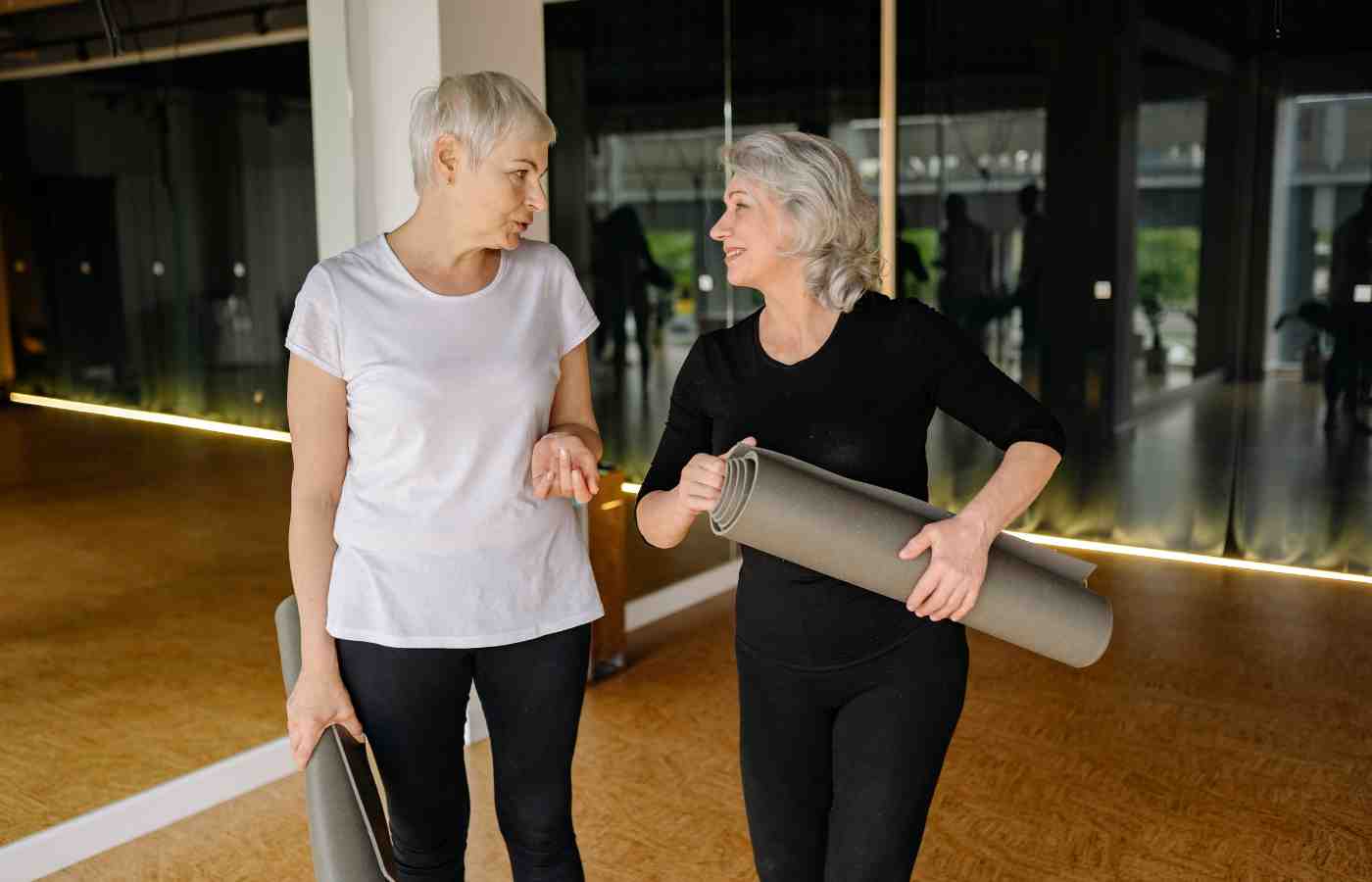
Strength affects far more than how much weight you can lift. It influences walking speed, balance, stair climbing, getting out of a chair and recovering from periods of illness or inactivity.
Pilates can develop strength through bodyweight movement, spring resistance, standing work and hand weights. Exercises should be progressed rather than kept permanently gentle simply because someone is older.
Stronger legs, hips, trunk and upper body make practical daily tasks easier.
Muscles help manage force and support movement around the joints.
A stronger starting point can make it easier to regain function after illness or a break from exercise.
Progressive strength work can reduce the feeling that the body is becoming fragile.
As we get older, our bones naturally become less dense. This is particularly common after the menopause, when the risk of osteoporosis increases.
Osteoporosis does not automatically mean you should stop exercising. Appropriate exercise is one of the important ways people can help maintain bone health throughout life.
Pilates is not a treatment for osteoporosis, but it can contribute as part of an active lifestyle by helping to improve strength, balance and confidence. Modern Pilates may include resistance work using springs, hand weights and standing exercises that place appropriate load through the body.
If you have osteoporosis, previous fractures or concerns about bone health, speak to your healthcare professional and tell your instructor before starting. Some movements may need adapting to suit your individual circumstances.
Many people assume aching joints mean they should avoid exercise, but for many forms of arthritis, appropriate movement is encouraged.
Keeping joints moving, maintaining muscle strength and staying physically active can all support everyday function. Pilates uses controlled, low-impact movement that can often be adapted to suit individual needs and comfort levels.
Everyone's experience of arthritis is different. Some days may feel easier than others, and exercises can usually be modified to reflect this.
The aim is not to ignore pain or push through symptoms, but to continue moving safely and confidently wherever possible.
Joseph Pilates wanted people to remain strong, active and capable. Modern understanding of healthy ageing reinforces the importance of resistance, balance and weight-bearing exercise.
That is why contemporary Pilates may include more than traditional Mat sequences alone.
The principles of control, precision and whole-body movement remain central even when the method develops and uses modern training tools.
You are not behind if you have never tried Pilates before. Many people begin after years away from exercise and gradually become stronger, steadier and more confident.
Mobility develops gradually and every movement can be adjusted to your current range.
Beginner classes are designed to teach the movements and equipment from the start.
Good teaching provides options rather than forcing everybody into one version.
Age does not remove the body's ability to adapt to appropriate exercise.
The right class depends more on health, confidence and exercise experience than age alone.
| Your situation | A sensible starting point | Why |
|---|---|---|
| Active, generally well and new to Pilates | Beginner Mat or Reformer | Introduces the method while still providing useful challenge. |
| New to exercise or less confident | Restore | A gentler pace with more focus on technique, breathing and controlled movement. |
| Want progressive resistance and equipment | Beginner Reformer | Springs provide adjustable resistance and physical feedback. |
| Complex medical history, osteoporosis or significant restrictions | Private session | Allows individual exercise selection and closer attention. |
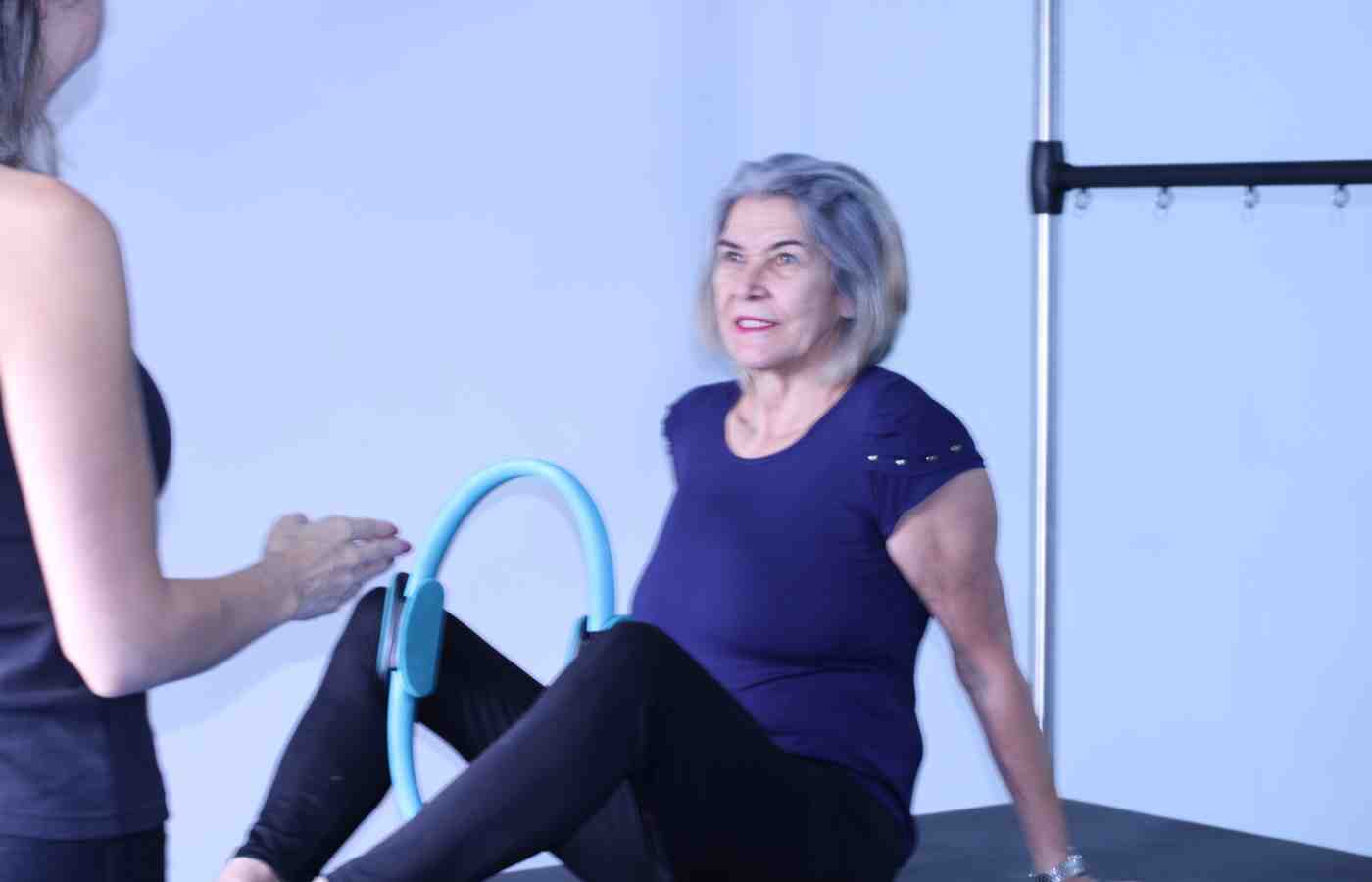
Pilates can provide a strong foundation, but ageing well benefits from variety.
Consistency matters more than perfection. Regular, sustainable activity is more valuable than occasional bursts followed by long gaps.
One of the biggest reasons people become less active as they get older is a loss of confidence in their balance or a fear of falling.
Balance is important, but it does not work on its own. It also depends on strength, coordination, reaction time and confidence in your own movement.
Strong legs, hips and trunk help you stay steady and recover when you lose your balance.
Whole-body movement helps the body respond when surfaces, steps or directions change unexpectedly.
Practising controlled changes of position can help improve how quickly and confidently you respond.
Feeling more secure in your movement makes it easier to remain active rather than avoiding everyday situations.
No exercise programme can guarantee that falls will never happen, but maintaining strength, balance and mobility gives your body the best opportunity to respond well when life becomes unpredictable.
People begin Pilates successfully in their 60s, 70s, 80s and beyond. The class simply needs to match their current ability.
Pilates can develop strength, balance, mobility, coordination and control. Stretching is only one part of the method.
Exercise should become appropriate, not automatically easy. The body still needs enough challenge to maintain strength and function.
Appropriately chosen resistance exercise is valuable throughout life. The load and technique should suit the individual.
Ageing brings change, but strength, mobility and balance can still improve with regular practice.
Pilates can support strength, balance, mobility, body awareness and confidence—all useful qualities for staying active and independent.
Yes. Choose an appropriate class and seek individual advice if you have significant medical conditions, previous fractures or major movement restrictions.
Yes. The springs can provide support or resistance, and exercises can be adapted from introductory to advanced levels.
Pilates is an excellent foundation but is best combined with regular walking or cardiovascular exercise and sufficient resistance work.
One regular weekly session is a useful start. Many people progress to two or more sessions alongside walking and other activity.
It often can be, but movements and loading may need adapting. Individual guidance is sensible for osteoporosis, previous fractures or significant symptoms.
Whether you are new to exercise or returning after a break, Pilates can help you build the strength, balance and confidence to keep doing the things you enjoy.

